Wound Dressing at Home: Care Tips to Prevent Infection
21 September 2026 · 1 min read · By Ideal Home Care
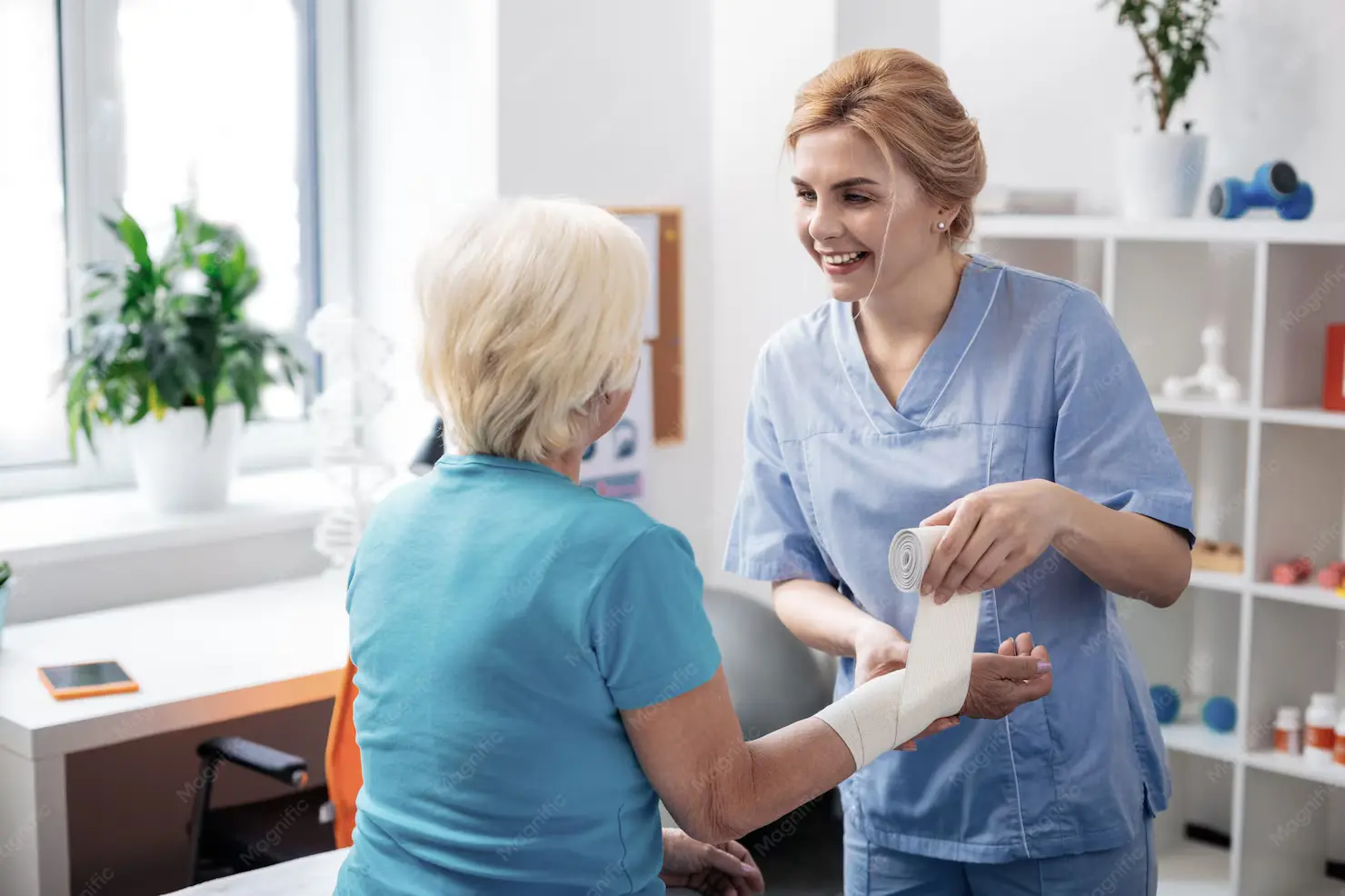
A clean wound heals faster and is far less likely to become infected. Whether it is a surgical stitch line, a diabetic foot wound or a pressure sore, correct dressing care makes a real difference to recovery.
Why proper dressing matters
A dressing protects the wound from germs, keeps it at the right moisture level and absorbs any discharge. Dirty, wet or old dressings are one of the most common reasons wounds become infected or heal slowly.
Basic care principles
Always follow the instructions given by the treating doctor, because the right dressing depends on the type of wound. In general:
- Wash your hands thoroughly before and after touching a dressing
- Change the dressing when it is wet, dirty or loose, or as often as the doctor advises
- Keep the area dry and avoid applying home remedies or powders unless prescribed
- Do not pick at scabs or stitches
Signs of infection to watch for
Contact your doctor or a nurse promptly if you notice any of the following:
- Increasing redness, warmth or swelling around the wound
- Pus or a foul smell
- Fever or chills
- Pain that is getting worse instead of better
When a nurse should do the dressing
Diabetic wounds, deep or surgical wounds, and pressure sores in bedridden patients should be dressed by a trained nurse. A nurse uses sterile technique, checks how the wound is healing at each visit, and can alert your doctor early if something changes.
This article is for general information only and is not a substitute for advice from your doctor. Always follow your treating doctor's instructions.
Need help at home?
Our certified nurses provide dressing at home across Lahore.